
Pumpkin Beyond Pie: Nutrition and Uses in Everyday Meals
Pumpkin Beyond Pie: Nutrition and Uses in Everyday Meals
When fall arrives, pumpkin shows up everywhere. From coffee drinks to muffins to pies, it tends to get ridiculous, really, so it is easy to think pumpkin is only about the sweet treats. The truth is, pumpkin is versatile, nutrient-rich, and useful in many everyday meals. Let’s look at what pumpkins truly are, whether all pumpkins are edible (since not all are grown to be eaten), how to use them, and why they deserve a place on your table beyond pumpkin pie.
What is Pumpkin, and Why Fall?
Pumpkin is a type of squash that grows best in warm weather and is harvested in the fall, which is why it is so closely tied to the season. Its mild flavor and vibrant orange color make it popular for both decoration and food.
Carving Pumpkins vs. Baking Pumpkins
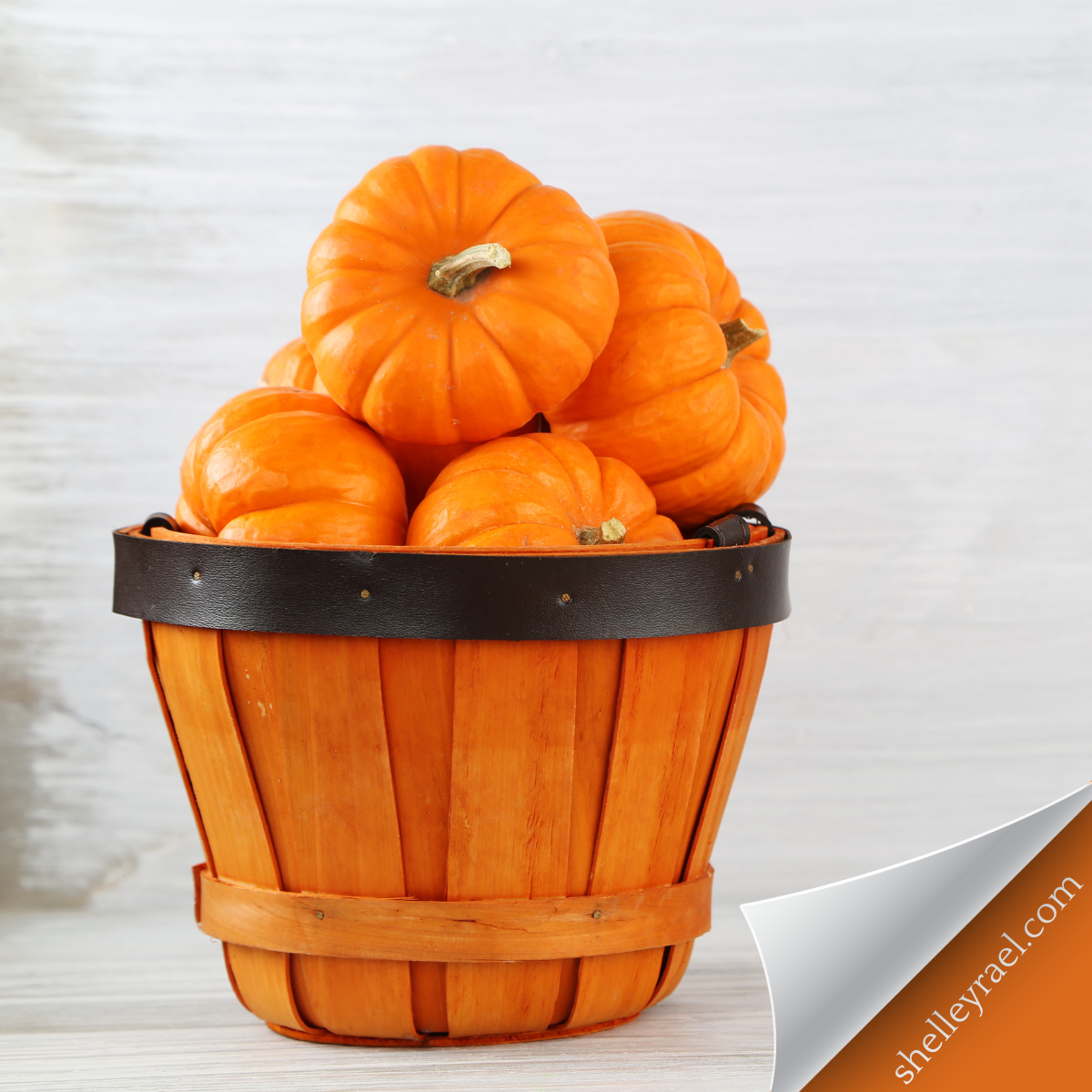
The pumpkins sold for jack-o’-lanterns are bred for their size, shape, and easy carving. These tend to be watery and stringy inside, and not ideal for cooking. Baking pumpkins, also called sugar pumpkins or pie pumpkins, are smaller, denser, and sweeter. If you want to cook with fresh pumpkin, look for smaller varieties, typically ranging from 2 to 5 pounds in size.
Choosing and Preparing Fresh Pumpkin
For eating, choose pumpkins that are firm, heavy for their size, and free of soft spots. Once home, you can roast them by cutting them into wedges, scooping out the seeds, brushing them with oil, and baking them until tender – I don’t want to give a time and temperature here, if you want to know for your oven, go ahead and look it up – I always have to. Roasted pumpkin can be mashed and used in the same way as canned pumpkin. It can also be cubed for soups, stews, and grain bowls, much like butternut squash or sweet potatoes.
Pumpkin Nutrition Benefits
Pumpkin is a nutrient-dense food. It is rich in vitamin A from beta-carotene, which supports vision and immune health. It also provides vitamin C, potassium, and fiber, while being naturally low in calories. The bright orange color signals its antioxidant content, which helps reduce inflammation and support overall health. The nutrients are similar, not exact, to those of the previously mentioned butternut squash and sweet potatoes.
Fresh vs. Canned Pumpkin
Canned pumpkin is a convenient option and just as nutritious as fresh if you choose 100 percent pumpkin without added sugar or spices. Be aware that some “pumpkin pie mix” cans already include sugar and spices – make that mistake or oversight just once, and you’ll never do that again. Plain canned pumpkin can be stirred into oatmeal, yogurt, smoothies, or pasta sauces. It works in savory dishes, such as chili or curry, not just baked goods. Dogs love it, and it can be good for them.
Pumpkin Seeds: Nutrition and Preparation
The seeds, also known as pepitas, are edible and rich in nutrition. They are a good source of protein, magnesium, iron, and healthy fats. To prepare, rinse the seeds after scooping them out, dry them, and roast with a bit of oil and a sprinkle of seasoning, such as salt, cayenne, or dare I say it? Pumpkin spice? Pumpkin seeds can be eaten as a snack, sprinkled on salads, or blended into sauces. Personally, I don’t do this, but then I am not a big fan of all that work for so little return. I’ll buy them, but this is a way to try and use the “whole” thing.
Leftover Pumpkin Parts
With the idea of using the whole thing, the flesh and seeds are the edible portions; the rind is not so much. The rind is too tough to eat and is usually discarded or composted. If you find a use for them, let me know!
Pumpkin Spice: What It Really Is
Pumpkin spice does not contain pumpkin at all – while this seems obvious, apparently it isn’t? It is a blend of warming spices, usually cinnamon, nutmeg, ginger, cloves, and sometimes allspice. Making your own blend is easy and can be adjusted to your taste – for me, allspice is a bit too much. Cinnamon and ginger have been studied for their potential health benefits, including support for blood sugar regulation and improved digestive health. Most of the blends, even though they contain these two ingredients, are probably not enough to have a significant impact. And consider what pumpkin spice is being added to, such as a pumpkin spice latte or cookie; it is likely to negate much of the potential benefit that cinnamon and ginger would have on their own.
Pumpkin in Everyday Meals
Pumpkin can be stirred into oatmeal, soups, smoothies, and pasta dishes. It can replace some of the fat in baking recipes, add creaminess to sauces, or serve as the base for hearty fall soups. Pairing pumpkin with spices and savory ingredients makes it a versatile addition to your kitchen.
Did You Know?
Pumpkins are native to North America and have been grown for thousands of years. Nearly every part of the pumpkin can be used, as noted above, which is why it has been a staple food in many cultures.
And with that…
Pumpkin is more than a seasonal decoration or dessert ingredient. With its nutrient-rich profile, versatility, and availability in both fresh and canned forms, it can be incorporated into everyday meals. From soups to smoothies to roasted seeds, pumpkin offers more than just pie. Stock up on some extra cans this fall for year-round use. Canned pumpkin can be found year-round, though sometimes, I have had difficulty finding it outside of the fall season.
References: