
Seafood and Sustainability: What You Should Know
Seafood and Sustainability: What You Should Know
This month, I’ve been breaking down the world of seafood in honor of National Seafood Month. In Part 1, I explained what counts as seafood. In Part 2, I busted common myths about mercury, the differences between frozen and fresh fish, and the distinctions between farmed and wild fish. Now, in this final part of the series, let’s take a closer look at sustainability and what it really means when it comes to seafood.
What Does “Sustainable Seafood” Mean?
At its core, sustainable seafood means that fish and shellfish are caught or farmed in ways that protect the long-term health of the species and the ecosystems from which they originate. Overfishing, poor farming practices, and environmental damage can threaten supply. Sustainable practices aim to ensure that seafood remains available now and for future generations.
Sustainability takes into account several factors, including:
Fish population levels and whether species are overfished
Fishing methods that reduce bycatch (accidental capture of other species)
The impact on habitats such as coral reefs or the ocean floors
Feed and water quality in aquaculture (fish farming)
It’s not just about the ocean. Sustainability also connects to social and economic factors, like supporting coastal communities that rely on fishing for their livelihoods. Ignoring this aspect can lead to the demise of those livelihoods and the depletion of seafood resources.
How to Shop for Sustainable Seafood
It’s not always easy to know which choices are sustainable, but there are practical steps you can take when shopping:
Look for certifications. Labels such as the Marine Stewardship Council (MSC), Best Aquaculture Practices (BAP), and Aquaculture Stewardship Council (ASC) indicate responsible practices.
Check guides and apps. The Monterey Bay Aquarium’s Seafood Watch program offers updated recommendations on which seafood is best to buy, good alternatives, and what to avoid.
Buy local when possible. Regional fish markets often carry seafood caught in nearby waters, which can reduce the environmental footprint from transport and support local economies.
Ask questions. At the seafood counter or a restaurant, you can ask where the fish was sourced and whether it’s farmed or wild.
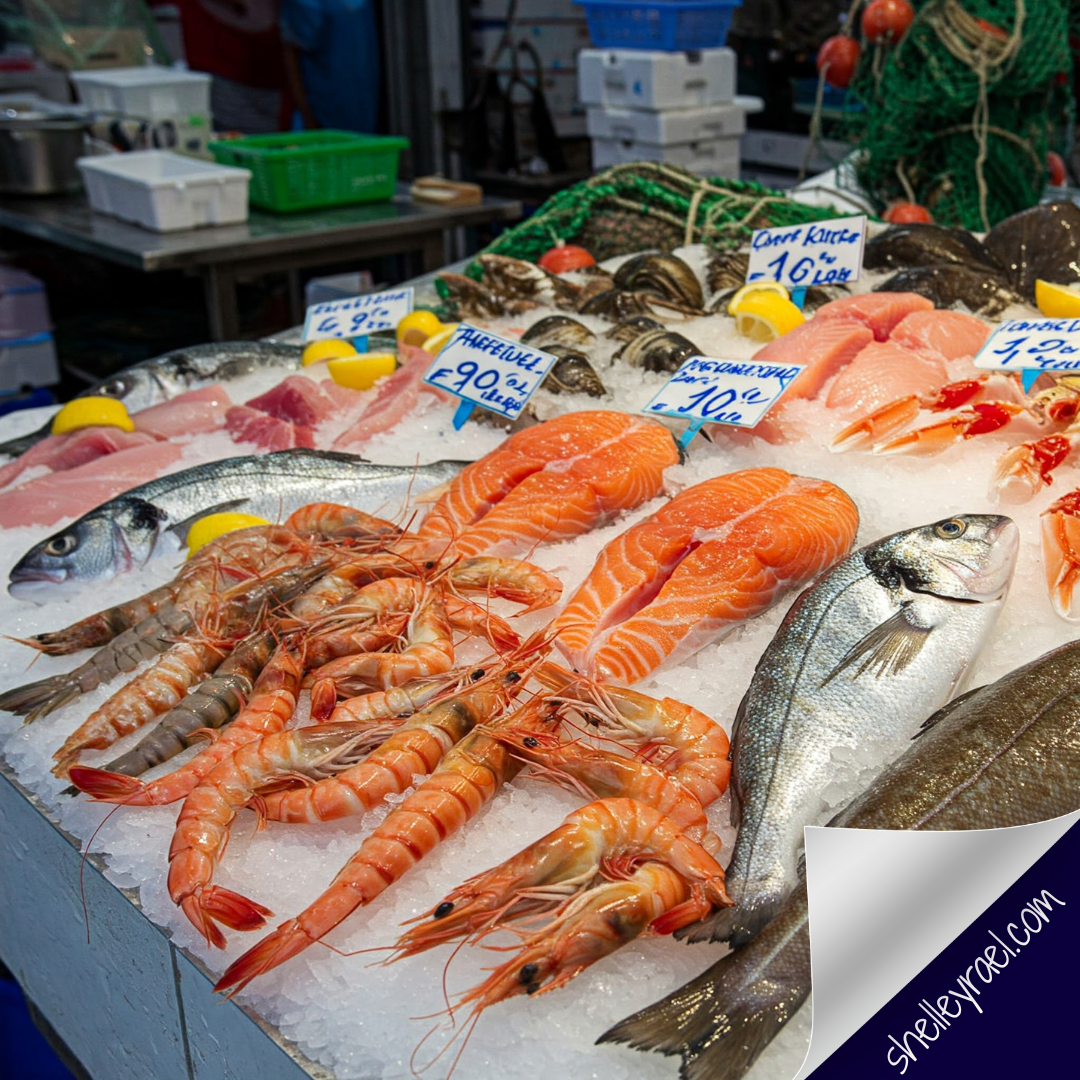
Wild vs. Farmed: Which is More Sustainable?
The answer isn’t simple. Wild-caught seafood can be sustainable if fish populations are managed responsibly. But if a species is overfished, choosing farmed may be the better option.
Aquaculture has come a long way. When managed well, it reduces pressure on wild populations. However, it can create issues if overcrowding, poor water management, or harmful feeds are involved. Certifications help ensure better practices.
Rather than assuming wild is always better, or that farmed is always bad, it’s best to evaluate the source and production methods. Both systems can play a role in providing seafood sustainably.
Why Sustainability Matters for Health and the Environment
Choosing sustainable seafood doesn’t just protect the oceans. It helps ensure a consistent supply of healthy, nutrient-rich food. Seafood is a top source of protein, omega-3 fatty acids, vitamin D, and selenium. If we overfish or damage ecosystems, we will ultimately lose access to these benefits.
Sustainability is also closely tied to climate change. Healthy fish populations and ecosystems contribute to ocean balance, which in turn impacts global carbon storage and climate regulation. In other words, protecting seafood sources is about more than just food.
Putting it Into Practice
Eating sustainably doesn’t mean you need to memorize every fish species or avoid seafood entirely. Small, informed decisions add up:
Rotate the types of seafood you eat instead of sticking to one species.
Use frozen seafood to reduce waste.
Support restaurants and grocers that are transparent about their sourcing.
By making thoughtful choices, you can enjoy the health benefits of seafood while contributing to healthier oceans and communities.
Wrapping Up the Seafood Series
Seafood is a broad category with more variety than many people realize. Over the past three blogs, we’ve covered what counts as seafood, common myths, and the importance of sustainability. The bottom line is that seafood can be a safe, nutritious, and environmentally responsible part of your diet when you know what to look for.
The next time you’re at the store or ordering from a menu, you’ll have the tools to make informed decisions — not just for your health, but also for the planet.